 by tatilinksagency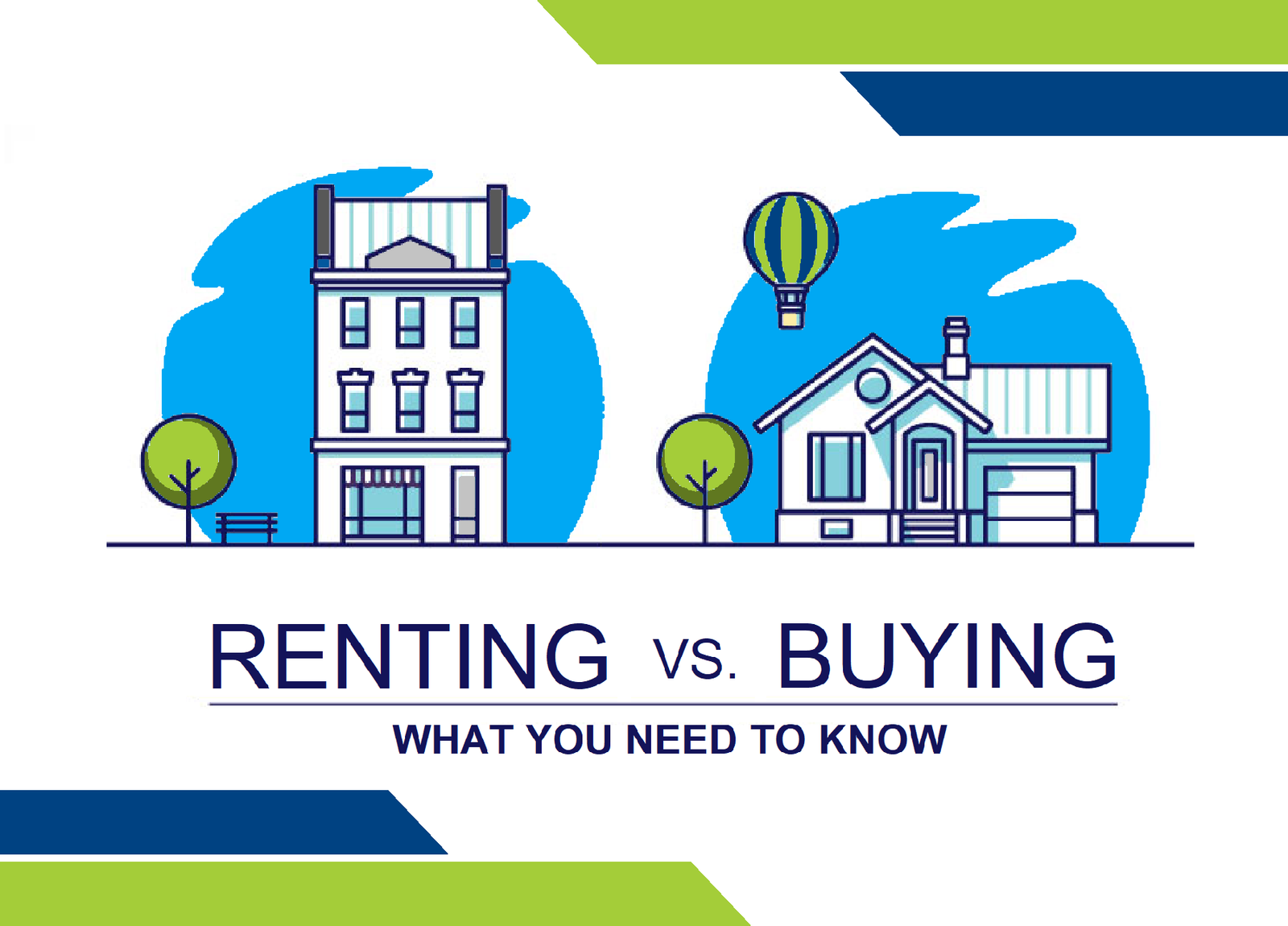
Deciding whether to rent or buy a house in Nigeria is a significant financial and lifestyle choice. With rising property prices in cities like Lagos, Abuja, and Port Harcourt, and varying economic factors, it’s essential to weigh the pros and cons of each option. This guide explores renting vs. buying a house in Nigeria to help you determine which path suits your goals, budget, and circumstances.
Understanding Renting in Nigeria
Renting involves paying a landlord to live in a property without owning it. In Nigeria, renting is common, especially in urban areas where property costs are high.
Pros of Renting
- Flexibility: Renting allows you to move easily for job opportunities or lifestyle changes without the burden of selling a property. This is ideal for young professionals or those unsure of their long-term plans.
- Lower upfront costs: Renting typically requires a security deposit and one or two years’ rent upfront (common in Lagos), but this is still less than a home purchase down payment.
- No maintenance costs: Landlords are generally responsible for major repairs, such as fixing plumbing or structural issues, saving you money.
- Access to prime locations: Renting makes it easier to afford living in desirable areas like Victoria Island or Maitama, where buying might be out of reach.
Cons of Renting
- No equity growth: Rent payments don’t contribute to ownership or build wealth, unlike mortgage payments.
- Rent increases: Landlords may raise rent periodically, impacting your budget. In some Nigerian cities, annual rent hikes of 5-10% are common.
- Limited control: You may face restrictions on renovations or personalizing the property, and eviction risks exist if the landlord decides to sell.
- Upfront rent demands: In Nigeria, paying one to two years’ rent in advance can strain finances, especially for first-time renters.
Understanding Buying a House in Nigeria
Buying a house means owning the property, either outright or through a mortgage, giving you full control and potential for long-term investment.
Pros of Buying
- Builds equity: Each mortgage payment increases your ownership stake, and property appreciation in areas like Lekki or Asokoro can grow your wealth.
- Stability: Owning a home provides long-term security, eliminating worries about rent hikes or eviction.
- Freedom to customize: You can renovate or modify your home to suit your tastes without needing landlord approval.
- Rental income potential: If you relocate, you can rent out your property for passive income, especially in high-demand areas like Ikeja or Wuse.
Cons of Buying
- High upfront costs: Buying requires a significant down payment (often 10-20% of the property cost), plus fees for legal services, surveys, and taxes like the Land Use Charge.
- Maintenance responsibility: As a homeowner, you’re responsible for all repairs and upkeep, which can be costly, especially for older properties.
- Less flexibility: Selling a home takes time and effort, making it harder to relocate quickly compared to ending a lease.
- Mortgage commitment: Mortgages in Nigeria often have high interest rates (15-22%) and long repayment terms, tying you to monthly payments for years.
Key Factors to Consider
To decide between renting and buying, evaluate these factors based on your personal situation:
- Financial Readiness
- Renting: Ideal if you lack savings for a down payment or prefer to invest your money elsewhere (e.g., stocks or business ventures). Check if you can handle upfront rent payments.
- Buying: Suitable if you have stable income, savings for a down payment, and can afford monthly mortgage payments. Explore options like the National Housing Fund (NHF) or commercial bank loans.
- Lifestyle and Goals
- Renting: Best for those who value mobility, such as young professionals or expatriates who may relocate frequently.
- Buying: Ideal for those planning to settle in one location, start a family, or invest in property for long-term wealth.
- Market Conditions
- Research Nigeria’s real estate trends. For example, property prices in Lagos have risen steadily (5-10% annually in prime areas), making buying a potentially good investment. However, high mortgage rates may favor renting if you can’t pay cash.
- Use platforms like PropertyPro.ng or Nigeria Property Centre to compare rental and purchase prices in your desired area.
- Economic Stability
- Nigeria’s economy can be unpredictable, with inflation and currency fluctuations affecting costs. Renting may be safer if you’re concerned about job security or rising interest rates. Buying is better if you have a stable income and believe in property value growth.
Renting vs. Buying: A Quick Comparison
| Factor | Renting | Buying |
|---|---|---|
| Upfront Cost | 1-2 years’ rent + deposit | Down payment + fees (10-20%+) |
| Monthly Cost | Rent only | Mortgage + maintenance + taxes |
| Flexibility | High (easy to move) | Low (harder to relocate) |
| Wealth Building | None (no equity) | High (equity + appreciation) |
| Control | Limited (landlord rules) | Full (customize freely) |
Which Is Right for You?
- Choose renting if: You’re early in your career, need flexibility, or can’t afford a down payment yet. It’s also a good option if you want to live in a pricey area without long-term commitment.
- Choose buying if: You’re financially stable, plan to stay in one location for 5+ years, and want to build wealth through property. Buying is especially appealing if you can secure a low-interest mortgage or pay cash.
Pro Tip: Use a rent-vs-buy calculator online to compare costs based on your income, local property prices, and mortgage rates. Consult a financial advisor or real estate professional for personalized advice.
Conclusion
Renting and buying both have unique advantages in Nigeria’s dynamic real estate market. Renting offers flexibility and lower upfront costs, while buying builds wealth and provides stability. Consider your financial situation, lifestyle goals, and market trends to make an informed decision. Whether you choose to rent in a vibrant city like Lagos or buy a home in an up-and-coming area like Ibadan, take the next step with confidence!